
Login

Sign Up

After creating an account, you'll be able to track your payment status, track the confirmation.
Username*
Password*
Confirm Password*
First Name*
Last Name*
Email*
Phone*
Contact Address
Country*
* Creating an account means you're okay with our Terms of Service and Privacy Statement.
Please agree to all the terms and conditions before proceeding to the next step

Already a member?

Login

Login

Sign Up

After creating an account, you'll be able to track your payment status, track the confirmation.
Username*
Password*
Confirm Password*
First Name*
Last Name*
Email*
Phone*
Contact Address
Country*
* Creating an account means you're okay with our Terms of Service and Privacy Statement.
Please agree to all the terms and conditions before proceeding to the next step

Already a member?

Login

Home Ownership Reparative Transfer Program

Taking Meaningful Action Toward Repair

Reparation Generation (RepGen) is supporting the broader reparations movement by demonstrating what repair can look like in people’s lives today. A flagship RepGen Program, HORT provides one-time, $25,000 Reparative Transfer Grants plus homebuyer mentorship, Restorative Genealogy, and other critical support to Black Descendants of Enslaved People in the U.S. purchasing a primary residence in Metro Detroit.

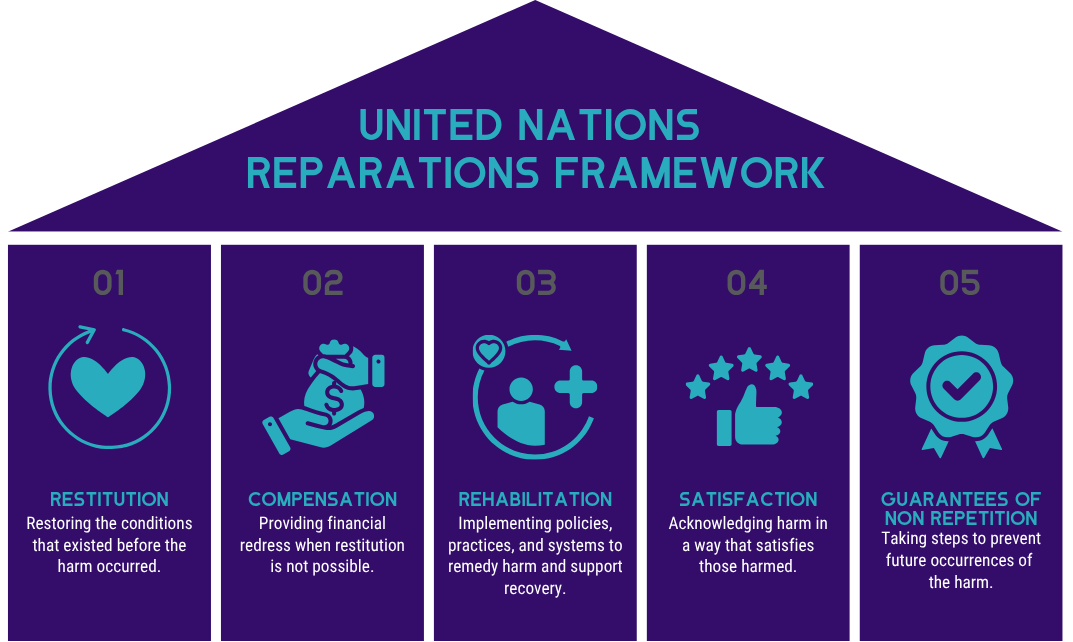
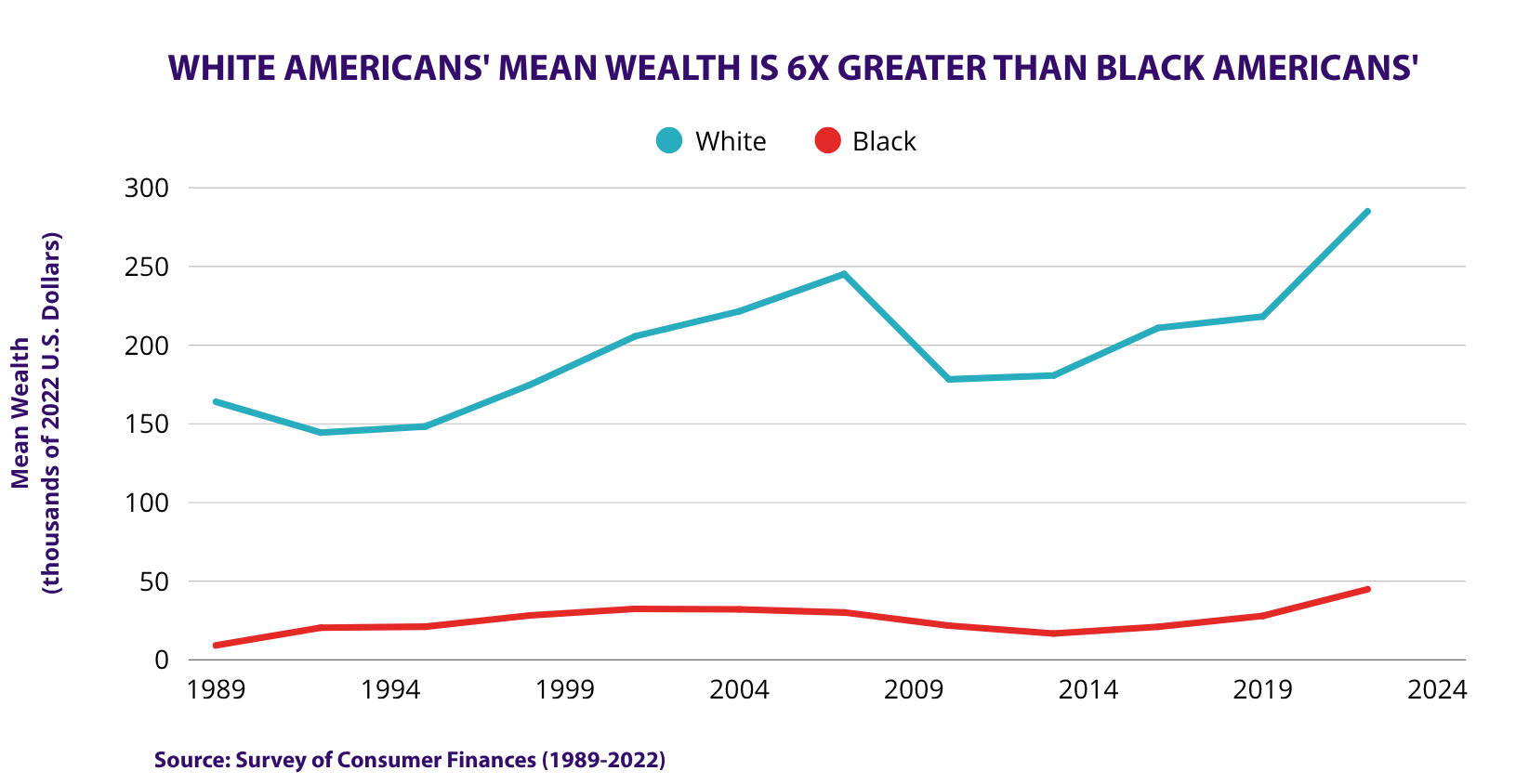
Grounded in the United Nations Reparations principle of compensation, the HORT Program aims to create replicable and scalable models that provide partial compensatory repair to Black Descendants of Enslaved People in the U.S. Reparation Generations Leadership selected Housing Repair based on the historical gap in home ownership and wealth between Black Americans and other Americans.
HOW THIS PROGRAM AIDS THE NATIONAL REPARATIONS MOVEMENT:

The evaluation findings from the HORT Program are shared to inform reparative program design nationally and generate evidence-based data demonstrating that reparative acts can heal harm and create wealth. Additionally, the evaluation of HORT Program components provides new insights into elements of repair that can potentially be built into other programs designed to address equity gaps. By demonstrating that reparative acts work, we are bolstering the case for a Federal Reparations Program.

WHAT IT IS AND HOW IT WORKS

The HORT Program provides a pathway for American citizens who believe in Reparations—and who recognize they have benefited from and/or contributed to harm against Black Americans—to support models of repair for Black American descendants of enslaved people through charitable contributions as acts of truth, healing, and repair.

RepGen aggregates these charitable contributions into reparative grants and provides $25,000 Reparative Transfers (voluntary, non-recourse, non-repayable financial payments) alongside homebuyer mentorship and restorative genealogy consultations for Black Descendants of Enslaved People in the U.S. pursuing homeownership. These grants can be used for down payment assistance and other home-related costs.

Recipients are engaged in RepGen’s Reparative Evaluation process for two years to assess the impact of the HORT Program on their lives. Contributors are also engaged in evaluation to assess the impact of making a Reparative contribution. RepGen initiated its first Model (HORT 1.0) in Metro Detroit. After evaluation and improvements, HORT has now been iterated in Metro Detroit as HORT 2.0 (completed July 2025) and HORT 3.0 (launched September 2025 to December 2026).

In HORT 2.0, 100% of HORT recipients reported reparative aspects of our program.

This confirmed our belief that the HORT model can be scaled and implemented by governments and institutions to repair homeownership-related harms done to Black Descendants of Enslaved People in the U.S.

HORT PROGRAM HOMEOWNERS IN THEIR OWN WORDS:

“Being able to purchase a house…was so out of reach until I heard about [the HORT Program]. And so it really did change our lives.”


“[In my new home] I’m around established neighborhood grocery stores…and I’m close to Eastern Market …I can look out my balcony over into the Dequindre cut where they have all types of events and concerts. It’s a lot more livelier than my old neighborhood.”


“Every part of the process was exciting. I mean, you know, how many people can say that they’re finding out about their genealogy, their lineage, as well as receiving $25,000 to help purchase a home?


“[In my new home] I just have a certain level of peace that I didn’t have before.”


“It’s knowing that this house is always going to be ours. After, you know, my husband and I are gone, it’s going to be my daughter’s house.”

What’s New in HORT

Based on lessons from previous HORT cohorts there are a few updates designed to enhance support for the participants and their Homebuyer Teams:

  • Earlier and customized homebuyer and financial education requirements and options
  • More transparent and consistent Homebuyer Team communications. 
  • Quicker delivery of Restorative Genealogy Consultation reports and assets to participants. 

Application Timeline

  • Orientation & Prep: August 2026
  • Applications Open: August 31 – September 30, 2026
  • Reparative Transfers Awarded: Fall 2026


Eligibility Criteria:

Applicants will:

  • Be a U.S. citizen and a Black Descendant of Enslaved People in the U.S. Defined as having at least one of the following: 
    • a) An ancestor that was enslaved within the United States
    • b) An ancestor traced back to the 1870/1880/1890/1900 census 
    • c) An ancestor traced back to the South 1940 or prior  
  • Have self-identified as Black in the 2020 U.S. Census
  • Currently live in Metro Detroit (Wayne, Oakland, or Macomb counties) and agree to find, finance (if applicable), and buy a home in Metro Detroit as primary residence
  • Agree to participate in Reparation Generation Evaluation activities for two years after Enrollment in HORT Program 3.0
  • Have not previously received a HORT Program Reparative Transfer through Reparation Generation

Program Phases

What to Expect

1. Orientation & Preparation (Between August 4–28, 2026)
  • All applicants must attend a 1-hour virtual orientation during August 2026.
  • We offer 7 orientation dates with afternoon and evening options.
  • Use the HORT Program 4.0 Application Guide to review eligibility requirements and required documents needed for a complete and accurate application.
  • Complete the required education and self-assessment activities.


2. Application Phase (August 31 – September 30, 2026)
  • Applications are submitted.
  • Applications are reviewed and sorted by Median Family Income (MFI) category.
  • Randomized invitations are sent (within each MFI group) based on number of Reparative Grants available to complete two free final steps in application process:
    • Restorative Genealogy Consultation
    • Personal & Financial Readiness Consultation
  • Applicants who meet all criteria and affirm readiness are deemed fully approved, others will be waitlisted.
3. Enrollment & Qualification
  • Enrollees have 120 days to:
    • Select their homebuying team (lender, realtor, etc.).
    • Find, finance, and close on a home in Metro Detroit (Wayne, Oakland, or Macomb counties).
    • Upload documents for third-party review and verification.
4. Funding & Escrow Transfer
  • Once approved, RepGen provides an official funding notification.
  • The $25,000 Reparative Transfer is wired directly to the enrollee’s escrow account at their lending institution.
5. Homeownership
  • Enrollees complete their closing process and move into their new home.
  • Enrollees may choose to stay connected to the RepGen by conveying optional ongoing involvement choices.
  • Debrief with the Homebuyer Team.
  • For two years, participants will engage in RepGen’s Reparative Evaluation process to evaluate the impact of their participation in the program.

Realtors and lenders who serve the Metro Detroit Area and wish to be included on the Resource List provided to HORT Program applicants and enrollees must attend an online orientation to ensure they understand the program’s reparative purpose and activities and will support homebuyers accordingly.

Questions? Contact Karen Hughes, Co-Manager for Programs, at [email protected].
Accomplishments and Learnings

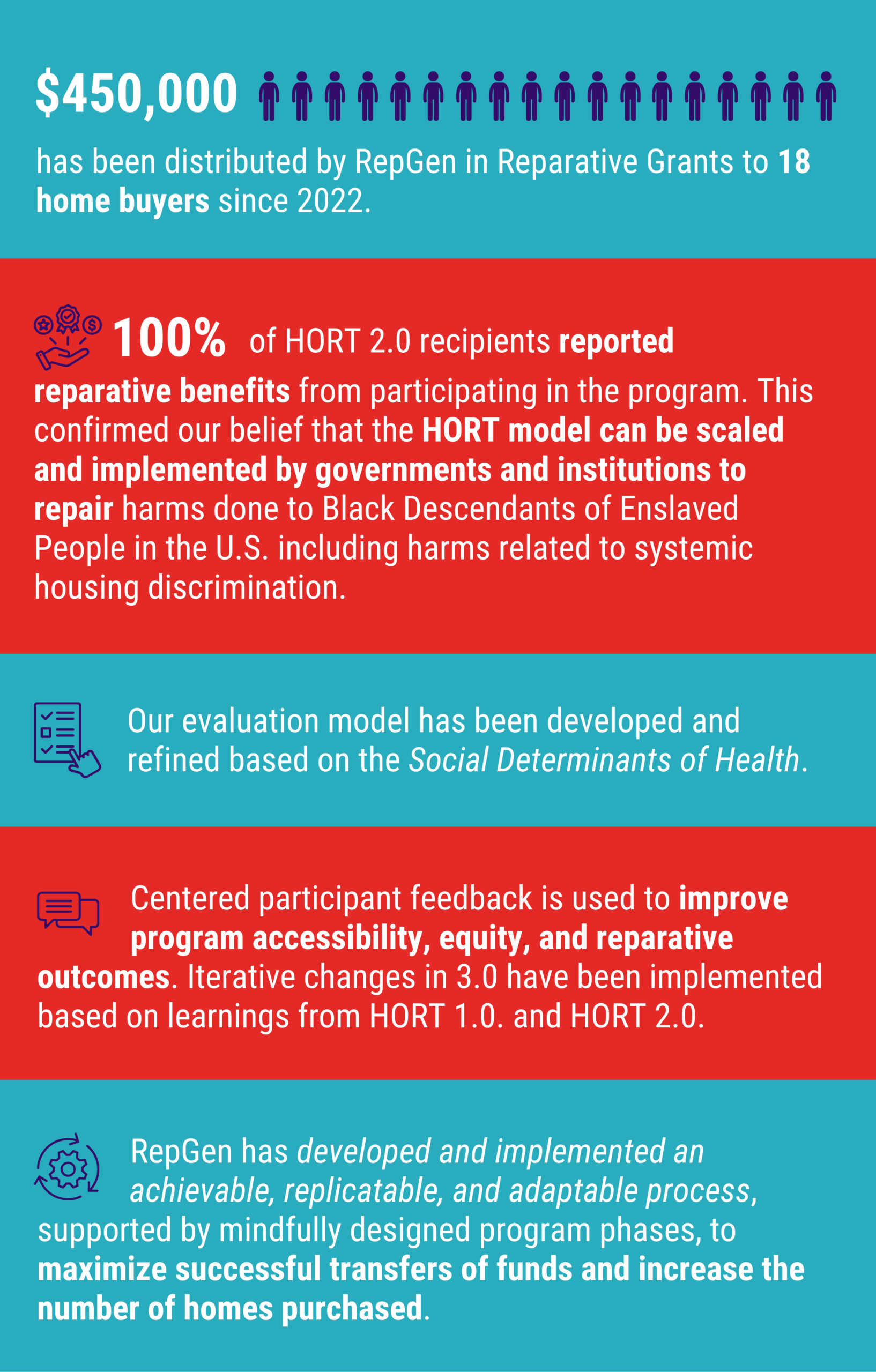
$450,000 has been distributed by RepGen in Reparative Grants to 18 home buyers since 2022.

In HORT 2.0, 100% of HORT recipients reported reparative aspects of our program. This confirmed our belief that the HORT model can be scaled and implemented by governments and institutions to repair harms done to Black Descendants of Enslaved People in the U.S. including harms related to systemic housing discrimination.

Our evaluation model has been developed and refined based on the Social Determinants of Health. 

Centered participant feedback is used to improve program accessibility, equity, and reparative outcomes. Iterative changes in 3.0 have been implemented based on learnings from HORT 1.0. and HORT 2.0.

RepGen has developed and implemented an achievable, replicatable, and adaptable process supported by mindfully designed program phases to maximize successful transfers of funds and increase the number of homes purchased.

Future Iterations

RepGen initiated HORT 3.0 in September 2026 in Metro Detroit and intends to provide $1 million in HORT Reparative Grants to 40 families by January 2027. Additionally, Reparation Generation’s strategy seeks to expand organizational capacity and the program through strategic community partnership and funding to evolve and test the HORT Program model in other municipalities. We believe this model can be iterated to work in a variety of geographies, supporting communities that are engaged in the imaginative work of equity and justice to add layers of repair and healing. 

Join us in building models to facilitate healing and close the racial wealth gap.

Sign up for updates via the RepGen Newsletter or contribute today.