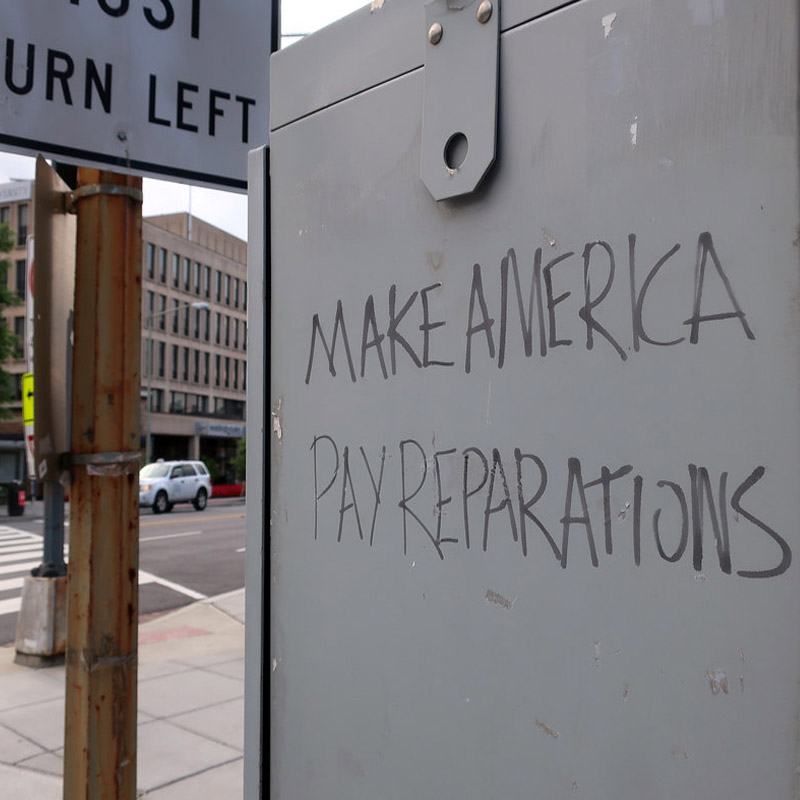
At Reparation Generation, we seek to create a more perfect union to benefit every American. To achieve this, we must first face the truth: our nation systematically denied Black Americans equal opportunities. Reparation Generation’s CEA work provides forums that bring together rooms of Americans (virtual and in person) to broaden and create collaborative, multiracial spaces to discuss history, systemic and institutional practices, past and present. Our CEA process encourages people to move from Reparations Curious to Reparations Activated. This work facilitates repair for some Black Americans as they witness other Americans acknowledge the past and commit to a shared future. CEA creates spaces that disrupt historical segregation and seeks ideas and models for remedy.
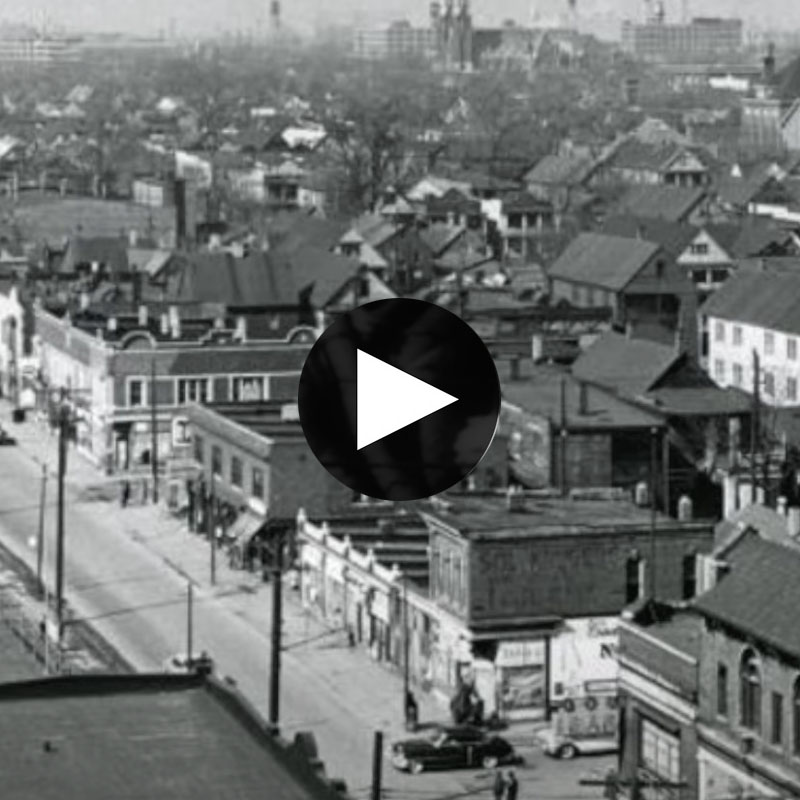
A plan to remove Interstate 375 will not bring back the rich history lost when the area was razed to make way for the new road running through the center of Detroit in the late 1950s and early 1960s.
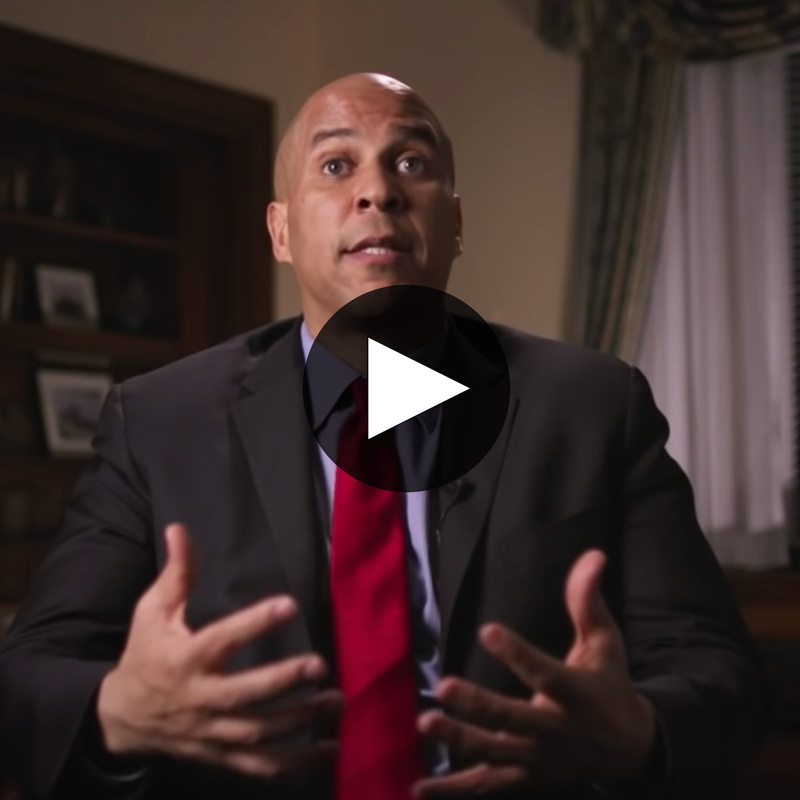
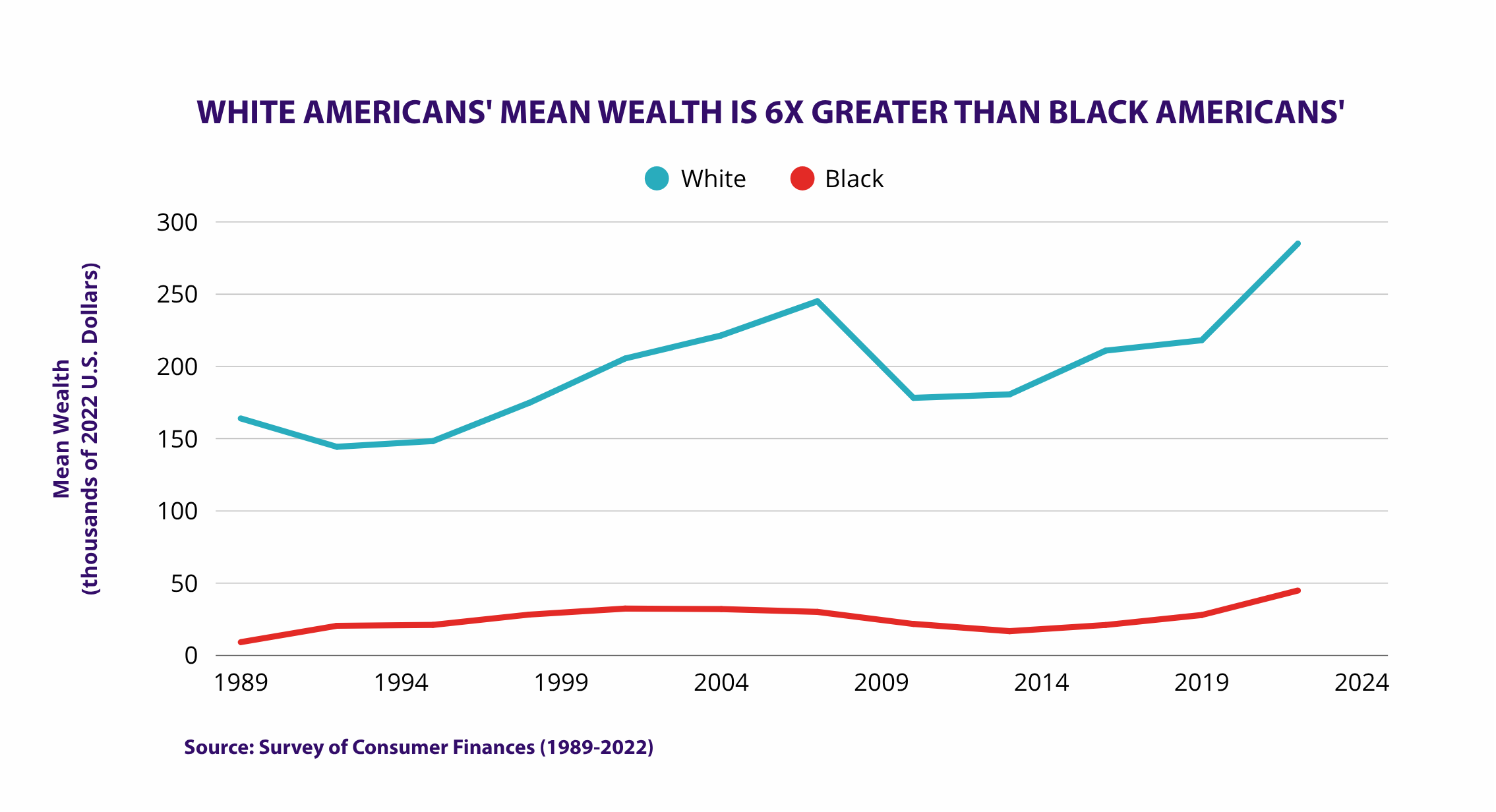
Cory Booker and others discuss how slavery, housing discrimination and centuries of inequality have compounded to create a racial wealth gap.
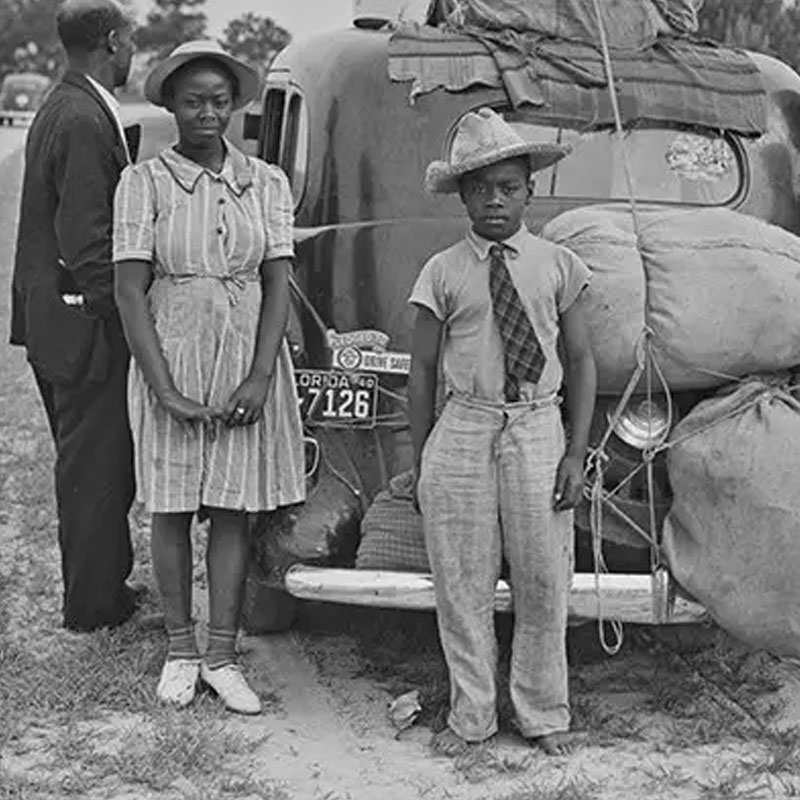
The Great Migration from the South and the rise of racial residential segregation strongly shaped the twentieth-century experience of African Americans. Yet, little attention has been devoted to how the two phenomena were linked, especially with respect to the individual experiences of the migrants.
Our work in Detroit showed that Black Americans can reliably trace their ancestry to people formerly enslaved in America using common genealogy research tools available today. Reparation Generation’s Restorative Genealogy Program provides participants with a healing-centered journey into their family history, illuminating through genealogical records and U.S. history a direct link to their descendants, including their descendants who were enslaved in the U.S. The discovery of one’s lineage helps many Black Americans understand their family’s participation in building this country, providing a sense of pride and ownership. This work facilitates healing for the individual and begins the process of repairing our communities. It is only through creating Reparations in Action that we can learn more about the many layers of repair that are needed to heal.
The Reparation Education Project presents an exciting new reparations 101 resource: “REPARATIONS: From Concept to Reality!” This short video introduces viewers to the issue of reparations for a broad audience.

Bryan Stevenson on Truth & Reconciliation…as being necessary before Reparation can be meaningful.
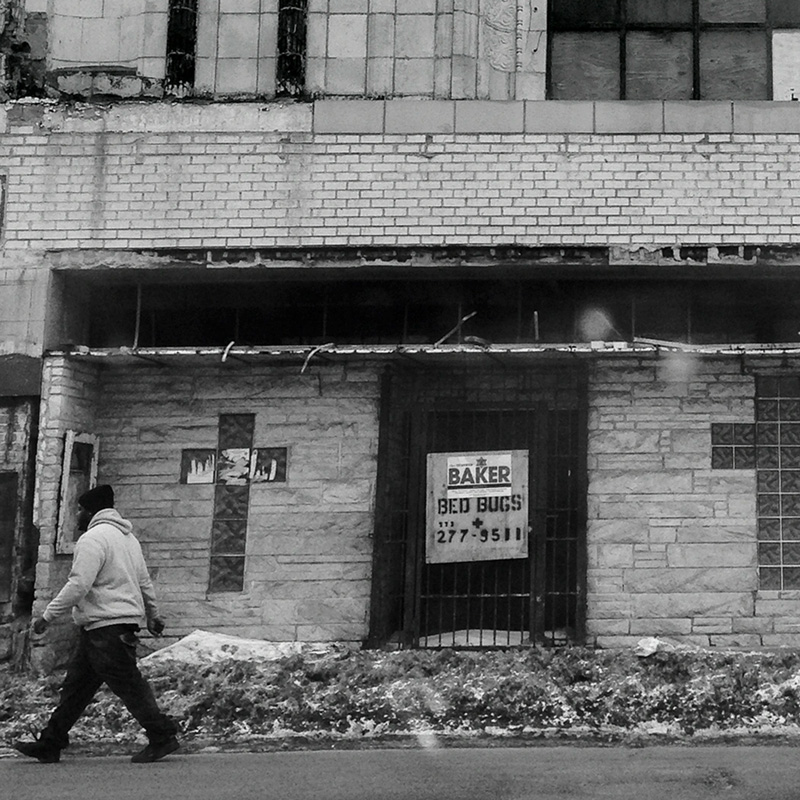
Two hundred fifty years of slavery. Ninety years of Jim Crow. Sixty years of separate but equal. Thirty-five years of racist housing policy. Until we reckon with our compounding moral debts, America will never be whole.
With our initiatives, we are demonstrating that reparations are both feasible to administer and, ultimately, provide some repair to Black American descendants. Formal government Reparations are the end goal, but we at RepGen don’t wait, knowing our history compels us to act now to demonstrate the ability to create repair and promote racial healing, making the country we love more just, fair, and inclusive.
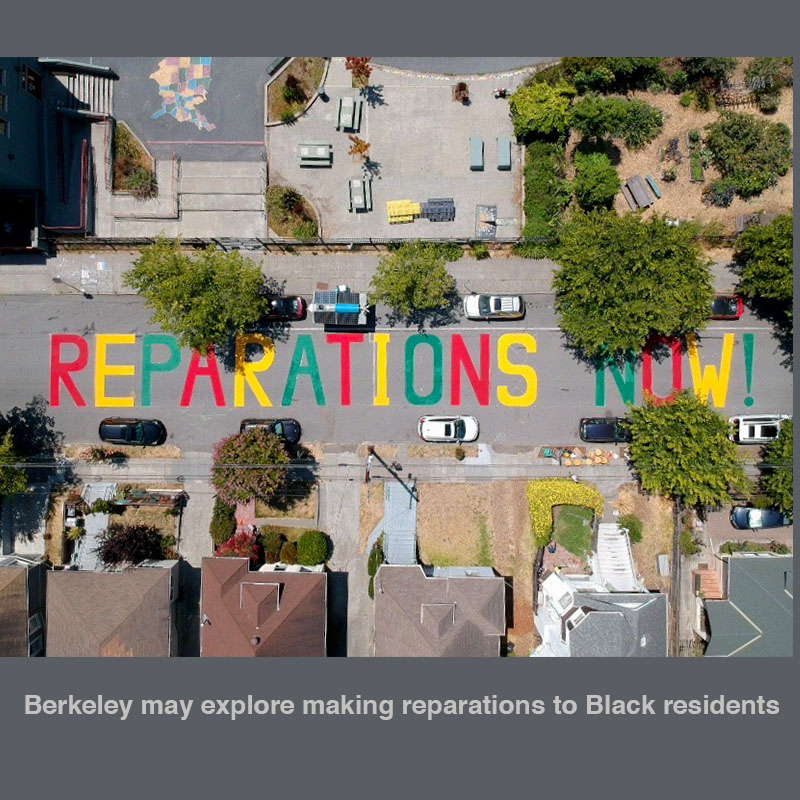
If Berkeley proceeds, it will be one of the few municipalities to directly grapple with the country’s legacy of enslavement.
Explore why California launched the first-in-the-nation task force to study reparations for Black people — and what reparations could mean for the state.