
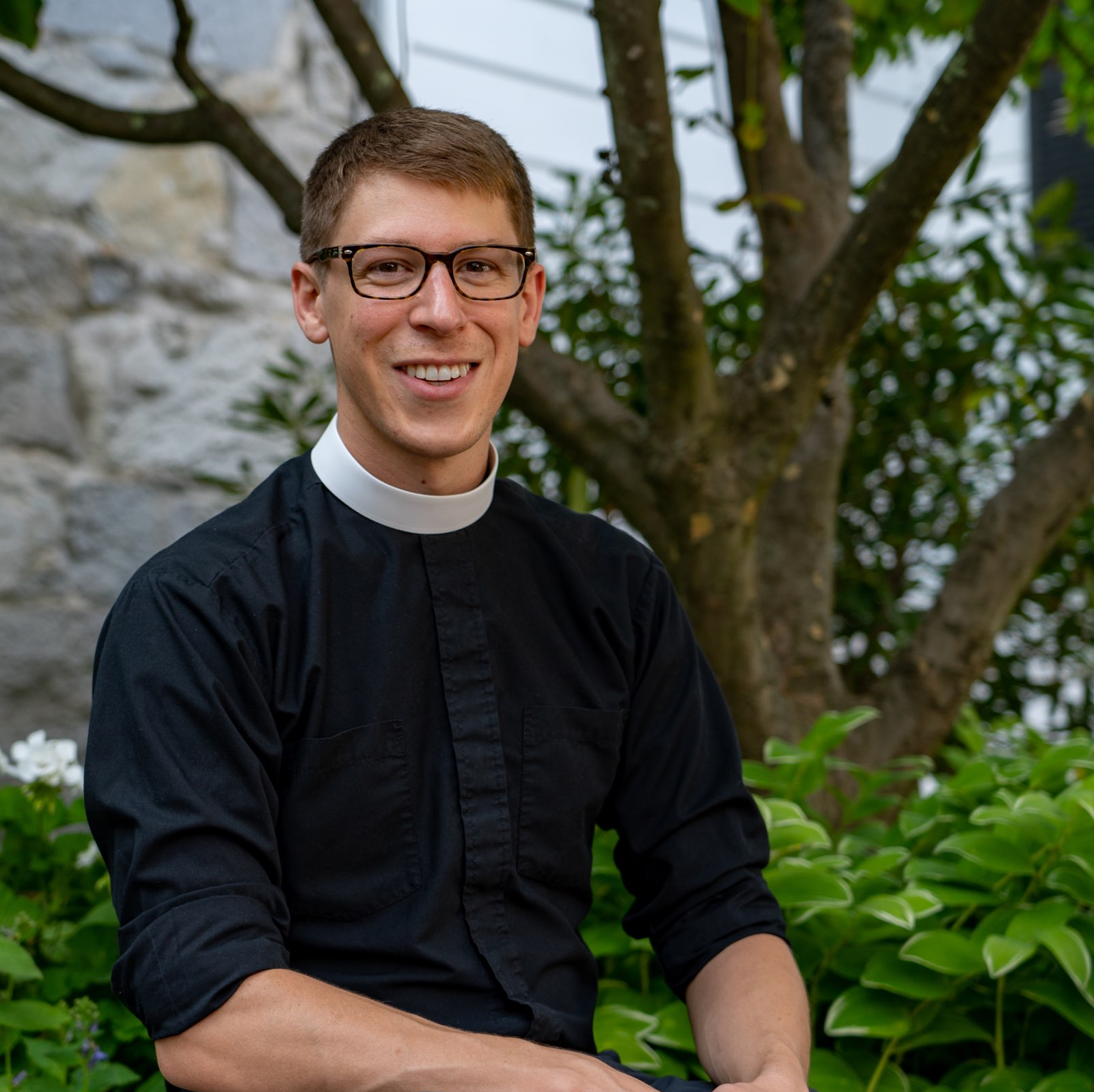
What if Thanksgiving didn’t end in November, but shaped how we heal our communities all year long? Rev. Reed Loy offers a moving, practical look at personal reparations as a spiritual practice—one that brings joy, clarity, and genuine connection. A timely invitation to repair, rejoice, and grow in love.

Every person’s journey to racial justice is different, and Joni Tedesco and Marie Lowry are no exception. Growing up just miles apart, Joni and Marie had different exposures to systemic racism and injustice—yet in 2025, they have come together as monthly financial contributors and House Meeting hosts to demonstrate the power of Reparations to promote healing and true repair in our communities. Read the full story on their engagement.

Lotte Lieb Dula’s journey to becoming a reparationist began abruptly—after she learned of her ancestors’ history of slaveholding, she felt compelled to pursue repair and healing using the advantages and skills accumulated over generations. Lotte’s findings set her on a path to self-discovery that would both upend her identity and allow her to both give and receive in her relationships with African American friends, colleagues, and reparationists—the foundation of true repair. Learn more about her journey and support of Reparations in Action.
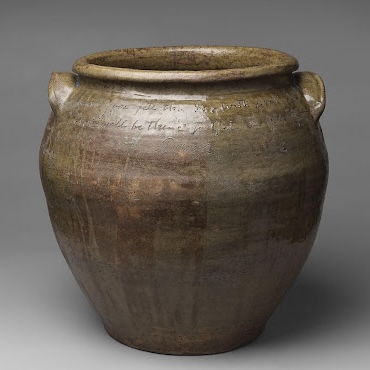
In the mid-1800s, Dave the Potter produced durable pieces that brought wealth and notoriety to his enslavers and to Edgefield, South Carolina. Signed and inscribed with poetry, his were also subtle resistance, and in 2025, they became a form of repair as his ancestors finally recovered one piece and received financial compensation for another.
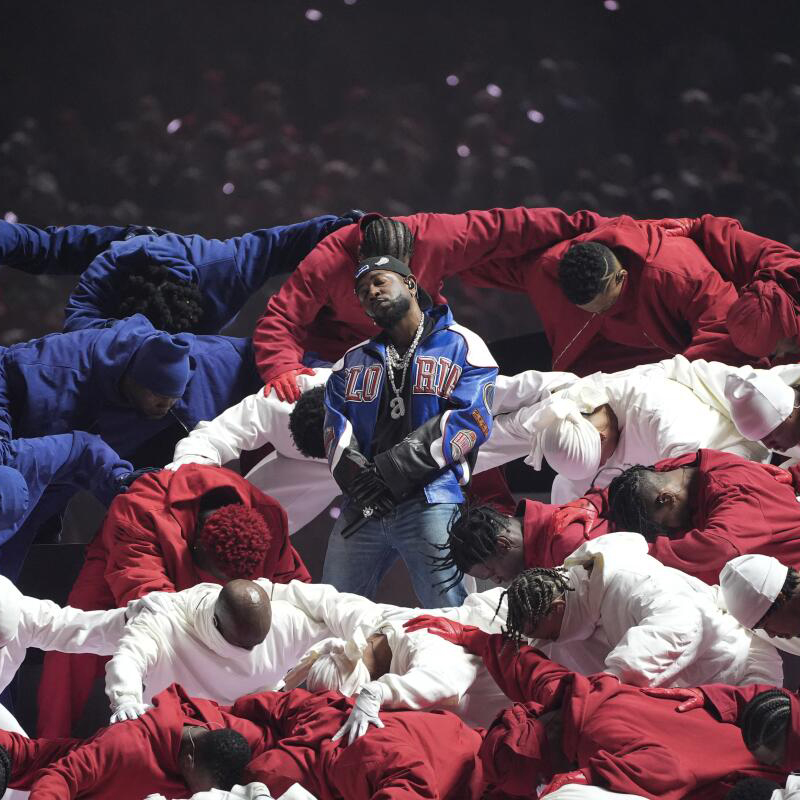
This year’s Super Bowl halftime show brought the kind of cultural moment that doesn’t just entertain but also resonates. Amid the spectacle, Kendrick Lamar took the stage, a masterful storyteller weaving together history, struggle, and Black resilience. And for those of us who work in the movement for reparations, a particular line stood out: “40 acres and a mule, this is bigger than the music.”

Executive Director, Christian Harris reflects on our country’s past, toward advocating for justice and reparation. One question echoed: “How will you respond?”
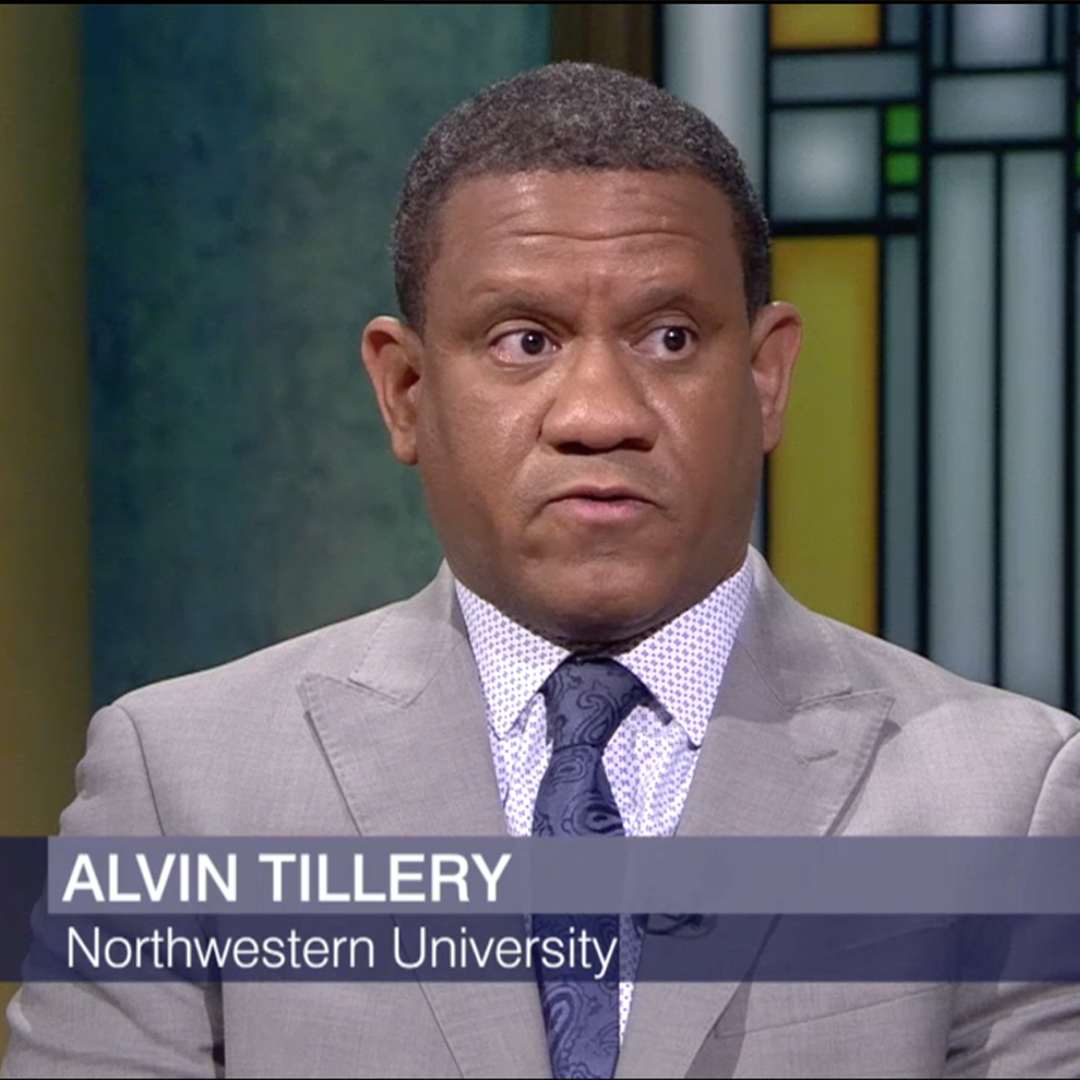
Even in cases where reparations are popular and demonstratively effective, ideological forces are at play to sabotage progress.

National Board member Karen Hughes shares two resources for engaging and talking with others about reparations.
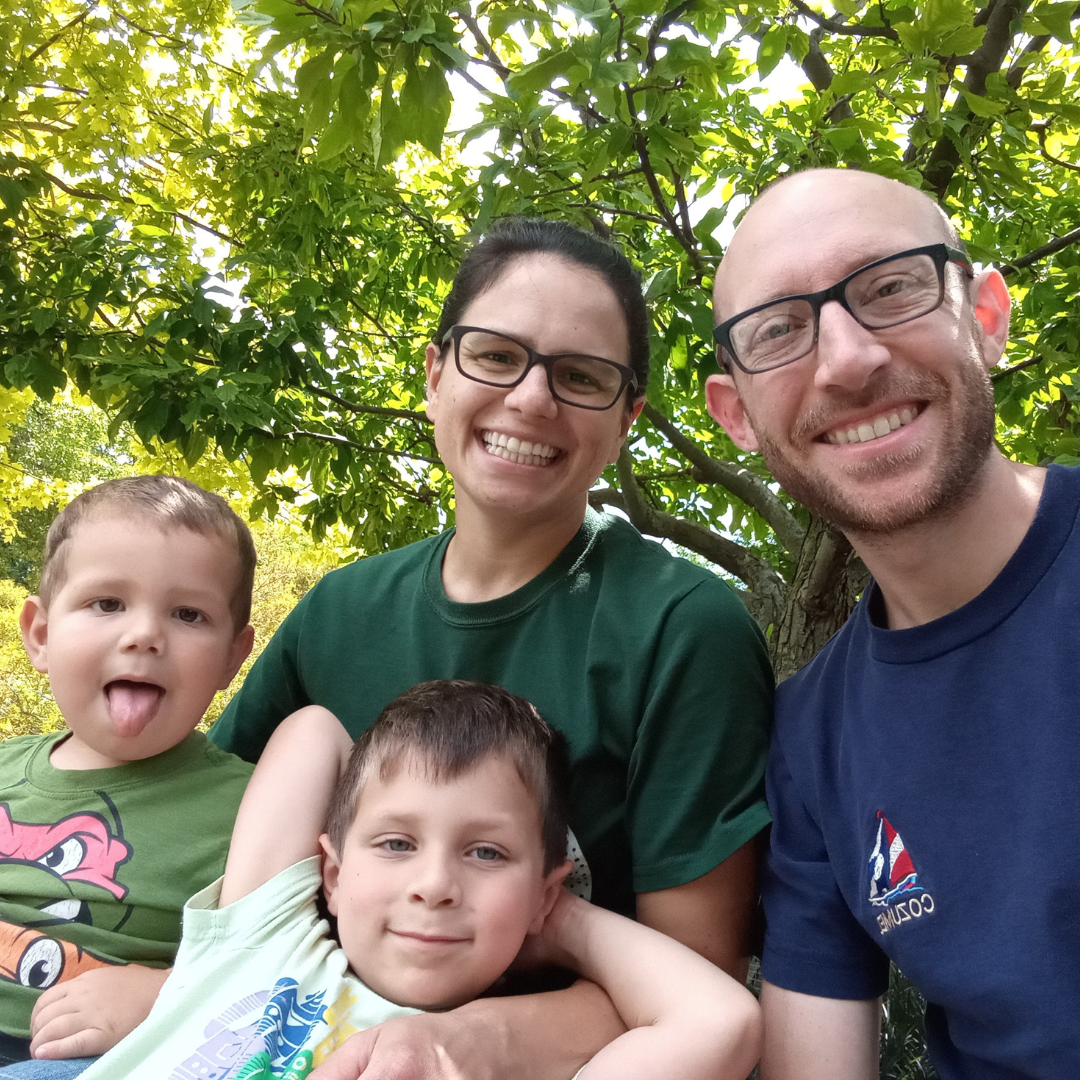
The work of RepGen would not be possible without the generous support of our many contributors, and one of those monthly contributors is Ben Bouwman.
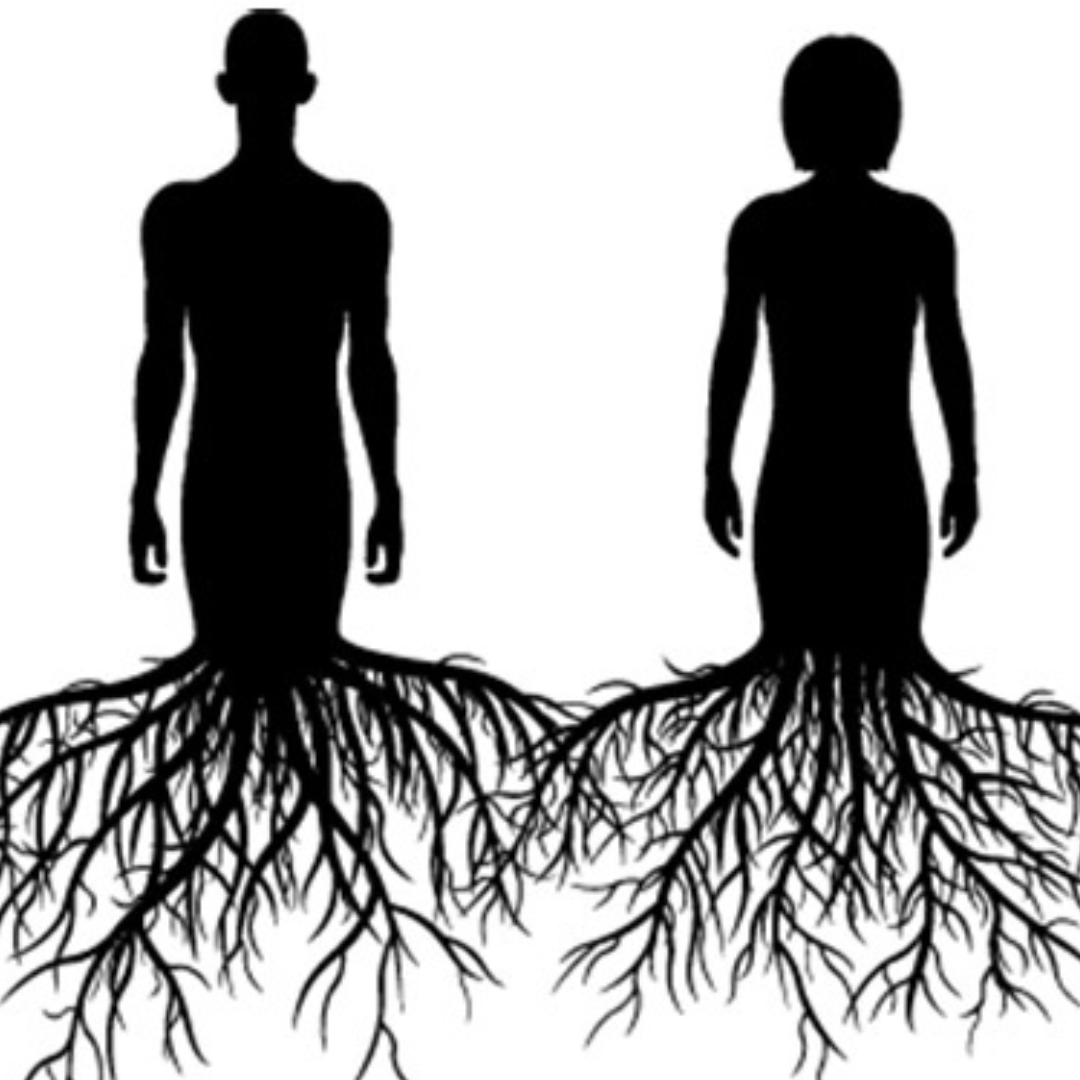
The American Journal of Orthopsychiatry featured an article titled “Conceptualizing Healing Through the African American Experience of Historical Trauma,” which provides critical insights into how genealogical research can serve as a catalyst for healing.
In this exclusive interview with members of Black Wealth Builders Fund, we learn how this organization is making reparations a reality in the difficult housing market of California.
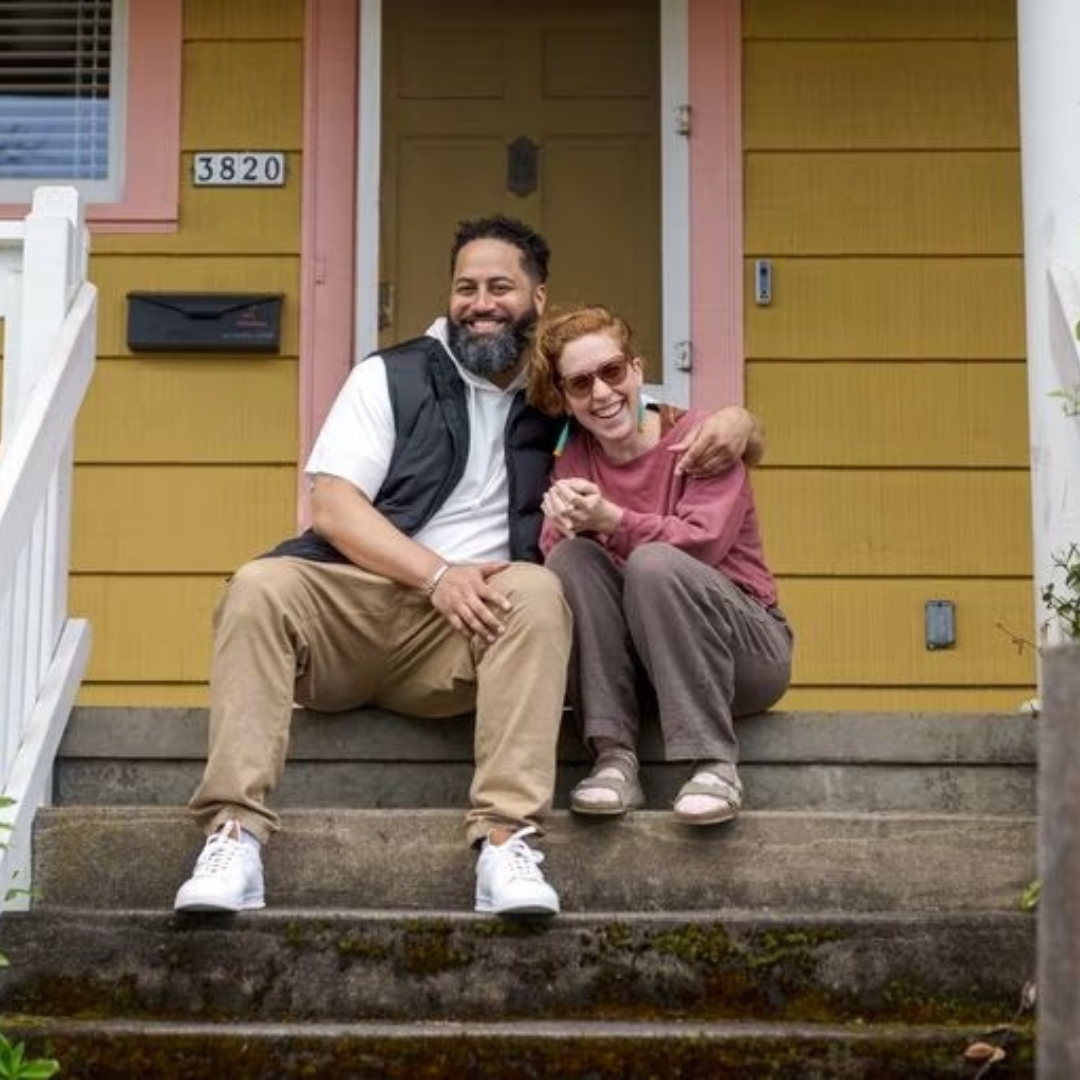
The PDX Housing Solidarity Project, a collective of Portland-based activists, focuses on redistributing wealth to support homeownership for Black and Native communities.
Kellie Farrish gives her take on Juneteenth.
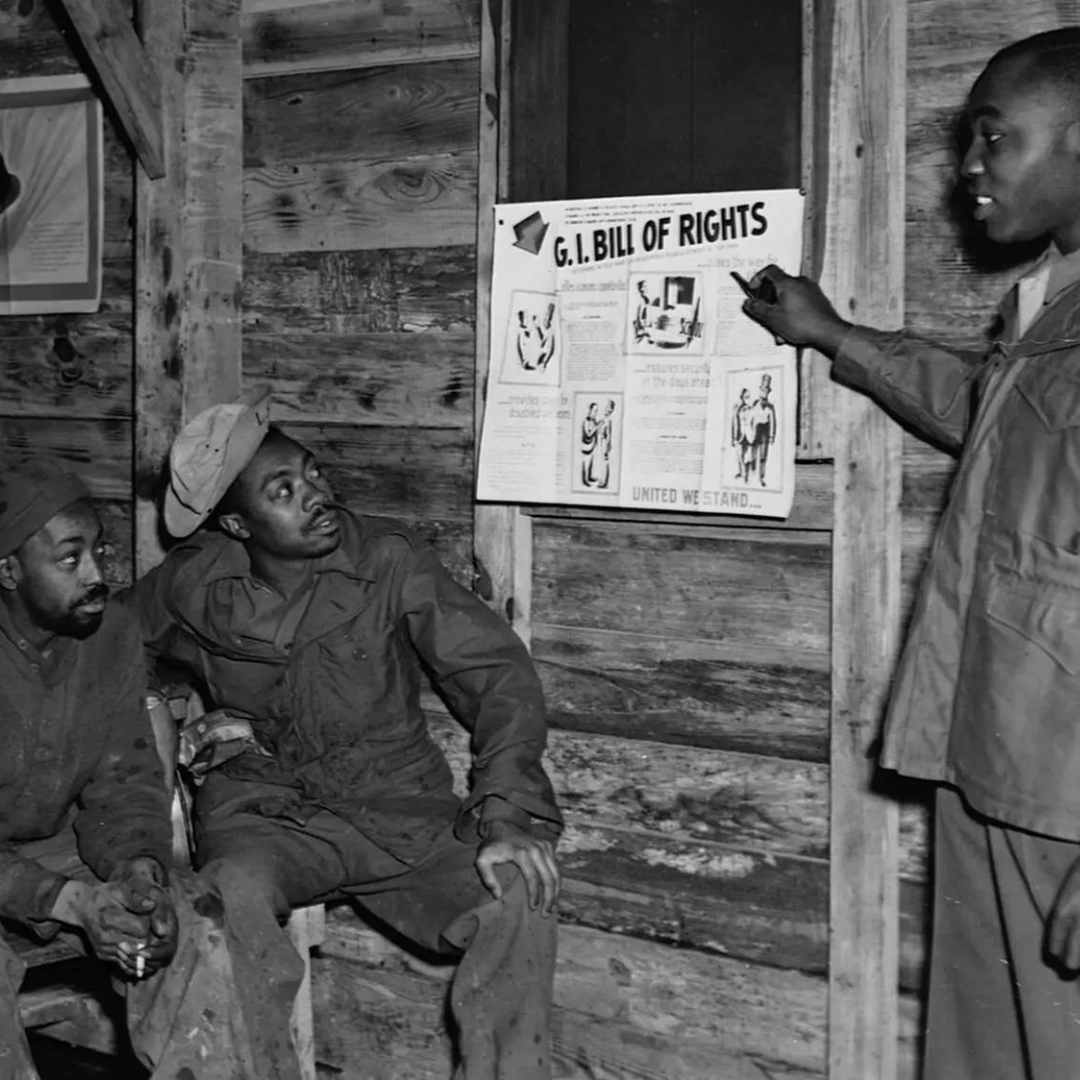
In this segment, we hear from RepGen’s own David Mayer and Robin Mills on how racial discrimination in the GI Bill shaped the destiny of two families.

The article discusses the recent dismissal of reparations for Tulsa race massacre survivors and focuses on Tulsa’s efforts to heal through communal spaces.